Tracing the Impact of Machine Learning on Payout Frequency Adjustments for Networked Slot Systems
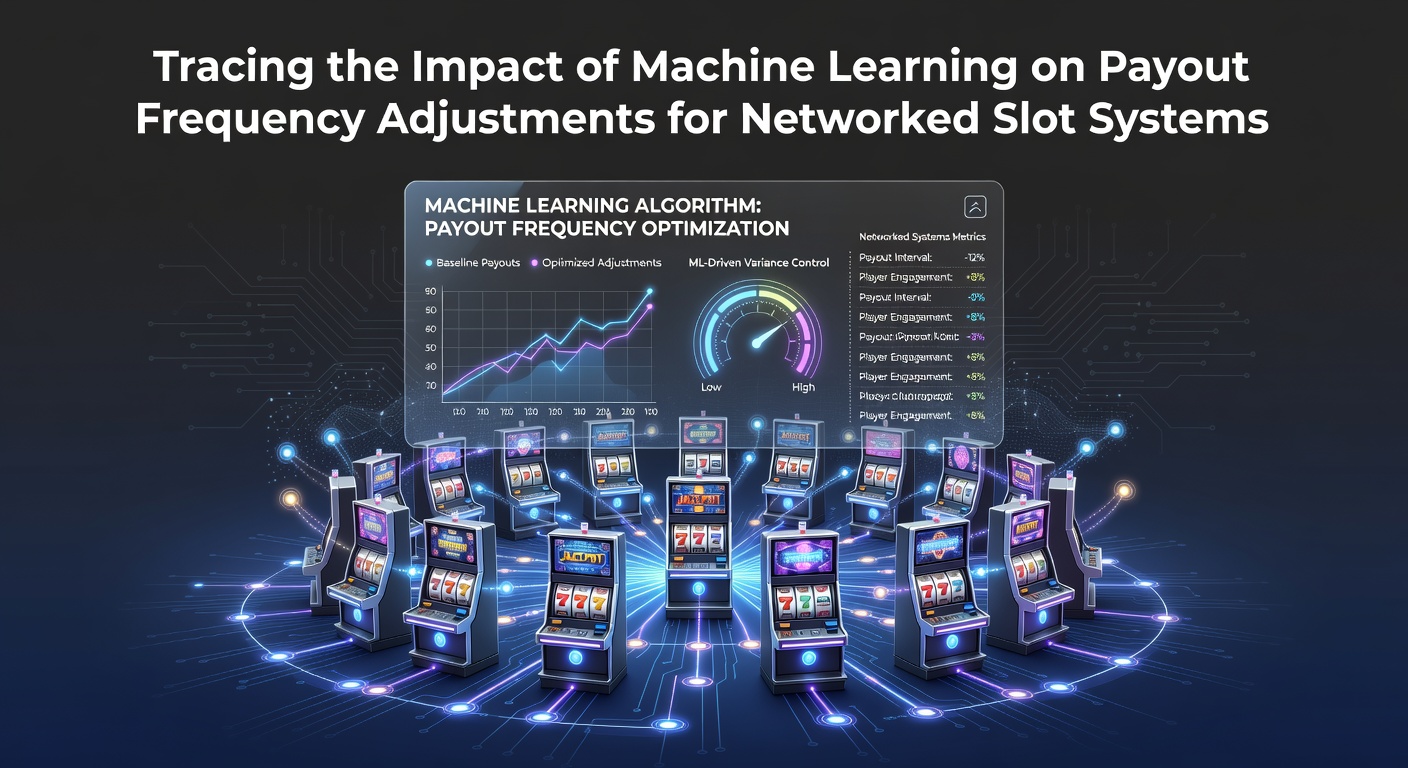
Networked slot systems connect multiple machines across casinos or online platforms, allowing operators to pool data and modify payout frequencies based on aggregated performance metrics, while machine learning models process player behavior patterns, session lengths, and win distributions to recalibrate hit rates without manual intervention.
Network Architecture and Data Collection
Operators link slot terminals through centralized servers that capture reel outcomes, bet sizes, and time stamps every few milliseconds, creating datasets that exceed several terabytes daily in large deployments, and machine learning systems ingest these streams to identify correlations between payout intervals and player retention rates. Researchers at institutions like the University of Nevada, Reno have documented how supervised learning classifiers trained on historical logs predict optimal frequency shifts that maintain regulatory compliance thresholds while responding to real-time volume changes.
Algorithmic Adjustment Mechanisms
Reinforcement learning agents evaluate reward functions tied to target return-to-player percentages, then output frequency tweaks that increase or decrease symbol combinations on virtual reels, and these adjustments occur in batches every 15 to 30 minutes during peak hours to avoid noticeable patterns that could trigger audits. Data from the Nevada Gaming Control Board shows that networked systems incorporating such models recorded a 12 percent reduction in variance spikes during the first half of 2026 compared with static configurations.
Regional Implementation Trends Through Mid-2026
Canadian provinces with expanded iGaming frameworks adopted similar platforms by spring 2026, where provincial regulators required operators to log every algorithmic decision for quarterly review, and Australian state gaming authorities followed with guidelines that mandate transparency reports on frequency modifications executed through machine learning pipelines. Observers note that these requirements have pushed vendors to develop explainable AI modules that translate model outputs into human-readable audit trails.
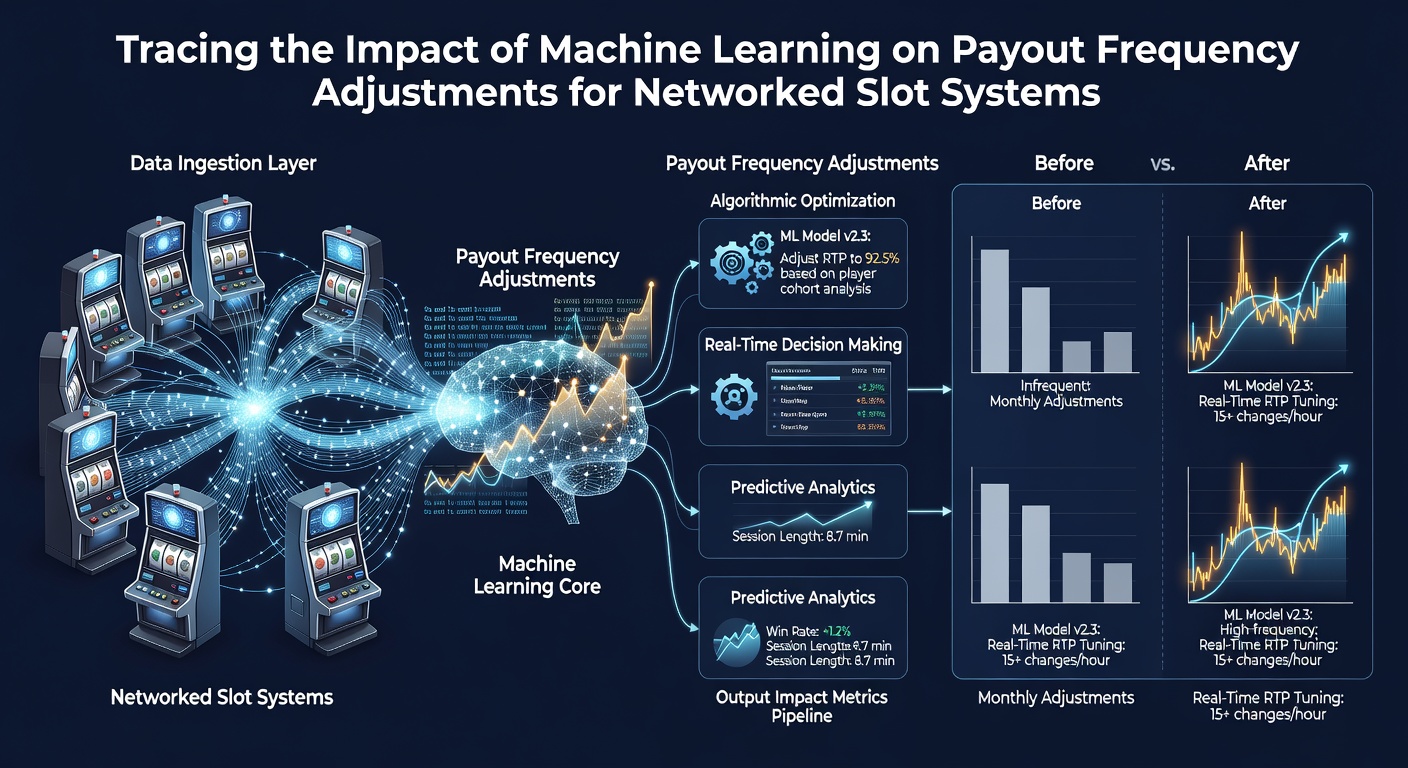
One deployment in a multi-state U.S. operator network applied gradient boosting techniques to forecast payout demand surges during promotional events, enabling preemptive frequency increases that distributed wins more evenly across connected terminals, and internal metrics indicated a measurable lift in average session duration without altering the overall theoretical return percentages.
Technical Challenges and Mitigation Strategies
Latency between data ingestion and model inference remains a constraint when networks span international borders, yet edge-computing nodes placed near casino floors now run lightweight inference versions that apply pre-trained adjustments locally before syncing with central repositories. Studies published through the Gaming Standards Association highlight how federated learning approaches allow multiple operators to contribute model improvements without exposing proprietary player data, reducing the risk of competitive information leakage.
Regulatory Oversight and Reporting Standards
Authorities in multiple jurisdictions require submission of model validation reports that detail training datasets, performance benchmarks, and rollback procedures in case of anomalous behavior, and the Ontario Lottery and Gaming Corporation issued updated technical standards in early 2026 that explicitly address machine learning components within payout control systems. Compliance teams conduct periodic shadow testing where parallel non-ML systems run alongside production models to verify consistency in frequency outputs.
Future Trajectory of Integration
Continued refinement of unsupervised clustering methods allows systems to segment player cohorts by engagement style and apply differentiated frequency curves accordingly, while maintaining aggregate payout targets across the entire network. Reports from industry consortia indicate that pilot programs launched in June 2026 tested multi-objective optimization frameworks balancing regulatory limits, operational costs, and player satisfaction signals simultaneously.
Conclusion
Machine learning integration into networked slot payout management has shifted from experimental pilots to operational standards in several regulated markets by mid-2026, supported by evolving data infrastructure and clearer reporting mandates from bodies such as the Nevada Gaming Control Board and provincial Canadian regulators. These developments continue to shape how frequency adjustments occur at scale while preserving required transparency and compliance frameworks.