How Seasonal Agricultural Cycles Shape Player Migration Between Virtual Poker Tables and International Cricket Wagering Options
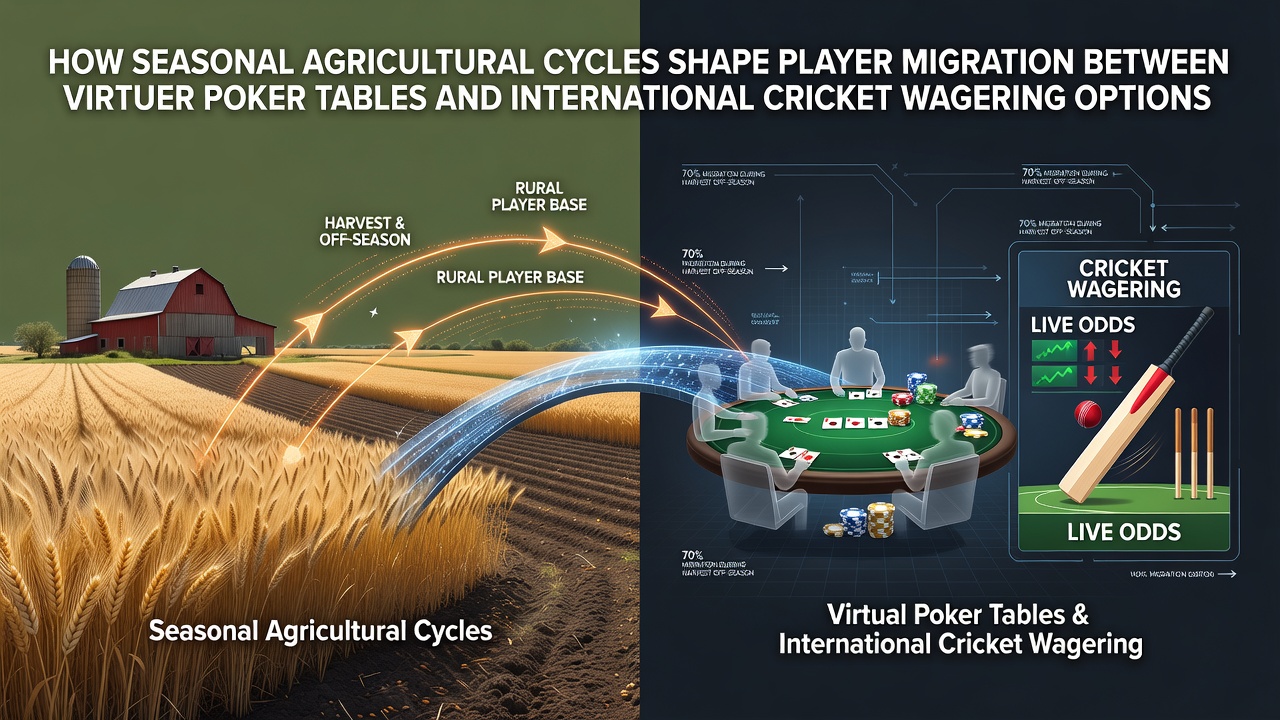
Seasonal agricultural cycles create predictable shifts in disposable time and income for populations in key cricket markets, and these patterns drive measurable movements between virtual poker tables and international cricket wagering platforms. Data from major agricultural regions shows that planting and harvest windows reduce available leisure hours while post-harvest periods expand both time and capital for extended gaming sessions.
Agricultural Timelines and Platform Preferences
Observers tracking user activity across integrated gaming sites report that farmers and agricultural workers in South Asia and Australia adjust their betting habits in line with crop calendars. During intensive planting seasons in June, for example, shorter-duration cricket wagers on international matches gain traction because they require less continuous attention than multi-hour poker tournaments. Platform analytics indicate spikes in accumulator bets on one-day internationals coincide with these peak farm labor periods.
Conversely, the months following harvest release capital from crop sales and free up evening hours, prompting a documented return to virtual poker rooms where players can participate in deeper cash games and sit-and-go formats. Researchers examining transaction logs note that average session lengths on poker interfaces increase by measurable margins once harvest concludes in primary wheat and rice belts.
Regional Patterns in Player Movement
Studies conducted by academic institutions reveal clear correlations between monsoon cycles and cross-platform migration. In areas where rice cultivation dominates, the post-monsoon harvest window triggers a surge in poker participation as communities gain both financial liquidity and predictable downtime. International cricket schedules, particularly tours involving Australia and India, overlap with these same windows and sustain interest in live cricket markets even as poker volumes rise.
Those who monitor aggregated user data across multiple operators find that deposit patterns from rural banking channels follow agricultural payment cycles, with larger transfers appearing after major harvest sales. These deposits initially fuel cricket betting during the transition period before shifting toward poker as players settle into longer-term routines.
June 2026 Activity Indicators
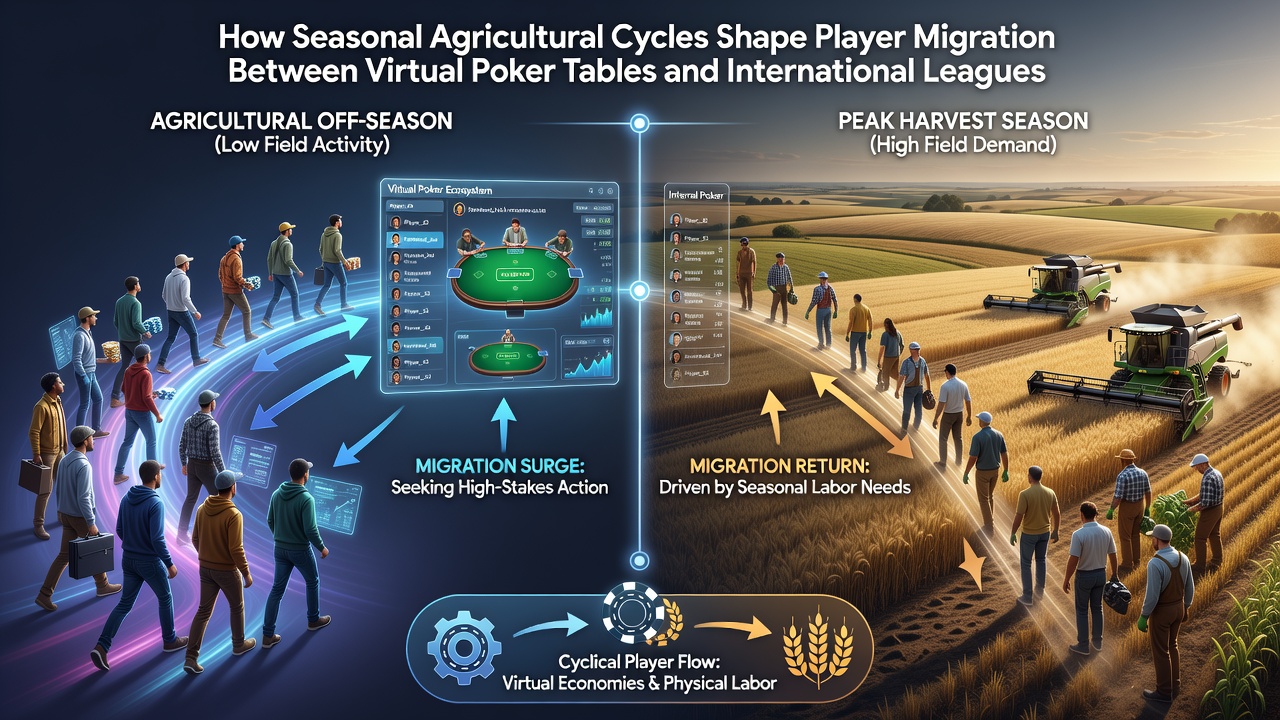
June 2026 fell during active planting phases across several northern hemisphere agricultural zones, and concurrent international cricket fixtures created a dual pull on player attention. Figures compiled from platform operators show elevated volumes in quick-play cricket markets during this period, while poker traffic dipped in regions with intensive sowing activity. The pattern reversed in southern hemisphere zones where harvest timing created opposite incentives.
Industry reports highlight that mobile interface usage for both verticals rises during these transitional months, with push notifications tied to live cricket odds competing against poker tournament schedules. Operators adjust bonus structures seasonally to retain players across both offerings rather than allowing full migration to one format.
Economic Factors Driving the Shifts
Income timing from agricultural sales directly influences wager sizing and game selection. Post-harvest liquidity supports higher-stakes poker entries, while pre-harvest periods favor smaller, more frequent cricket bets that do not require large upfront commitments. Economic analyses from agricultural ministries in multiple countries confirm that crop price fluctuations amplify these effects, with strong harvest years producing sharper increases in poker participation.
Payment processors serving rural users document corresponding changes in transaction timing, with clusters of activity appearing shortly after government procurement payments and private market settlements reach farming communities. These clusters align with observed upticks in poker table traffic rather than cricket markets.
Technological and Platform Adaptations
Gaming platforms have begun incorporating seasonal awareness into their recommendation engines, surfacing cricket events during planting windows and promoting poker leaderboards after harvest periods. This adaptation reflects observed player behavior rather than prescriptive design, as usage data consistently demonstrates the cyclical movement between the two verticals.
Network latency and connectivity patterns in rural areas also play a role, since agricultural work zones often experience variable internet access during peak field operations. Shorter cricket betting interactions prove more resilient under these conditions than extended poker sessions, reinforcing the seasonal preference shift documented across multiple operator datasets.
Conclusion
Seasonal agricultural cycles establish recurring rhythms that influence how participants allocate time and resources between virtual poker and international cricket wagering. Platform data, regional economic indicators, and usage analytics all point to predictable migrations tied to planting, growth, and harvest phases. These patterns persist across different hemispheres and crop types, creating a measurable framework for understanding player movement between the two formats.