How Mobile Interface Designs Affect Decision-Making Speed During Live Basketball Wagers
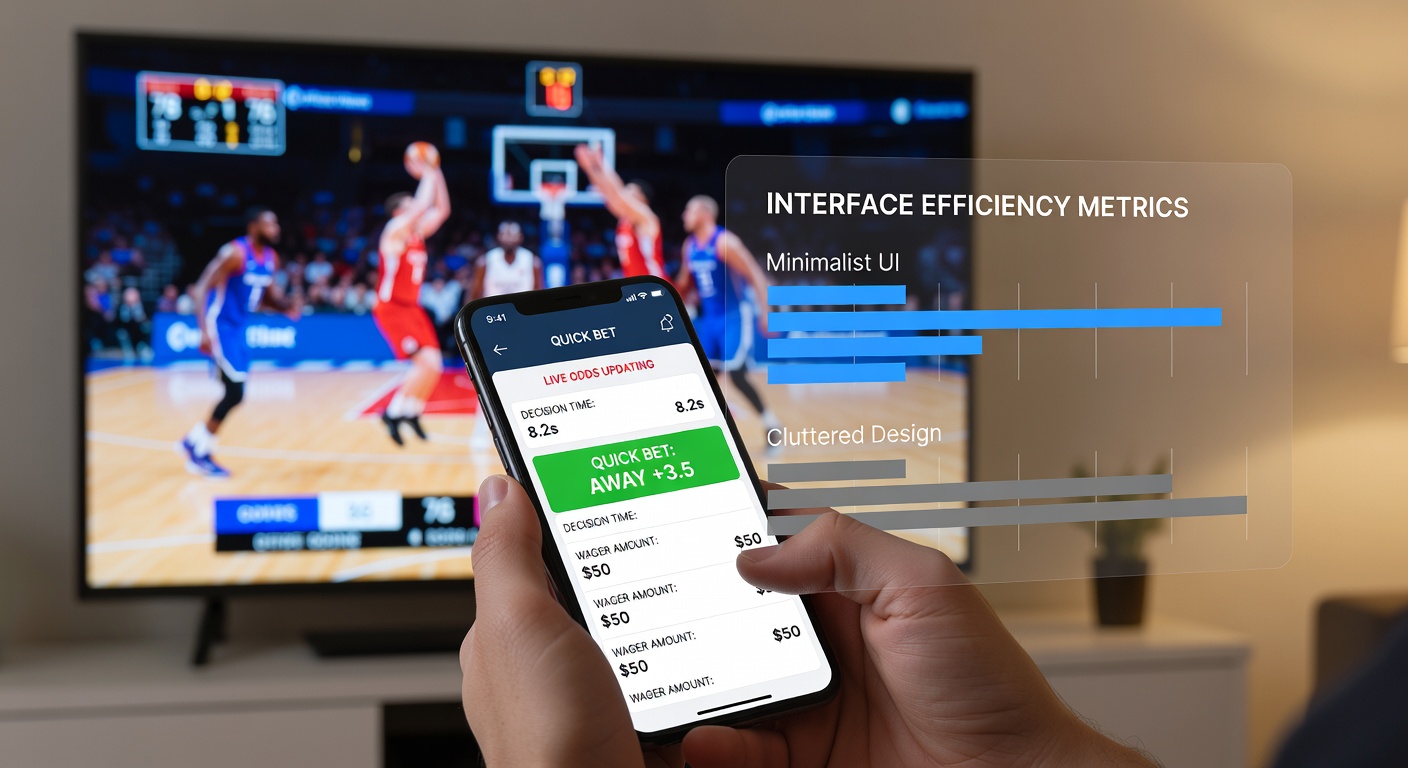
Live basketball wagers require bettors to process rapidly changing game data, and mobile interface designs play a direct role in how quickly those decisions form. Platforms present odds, player stats, and score updates through layered screens that either streamline or complicate the path from observation to wager placement. Data from industry tracking in early 2026 shows mobile devices handling over 70 percent of live basketball bets during the NBA playoffs, which highlights the need to understand how layout choices influence response times.
Core Interface Components That Shape Response Times
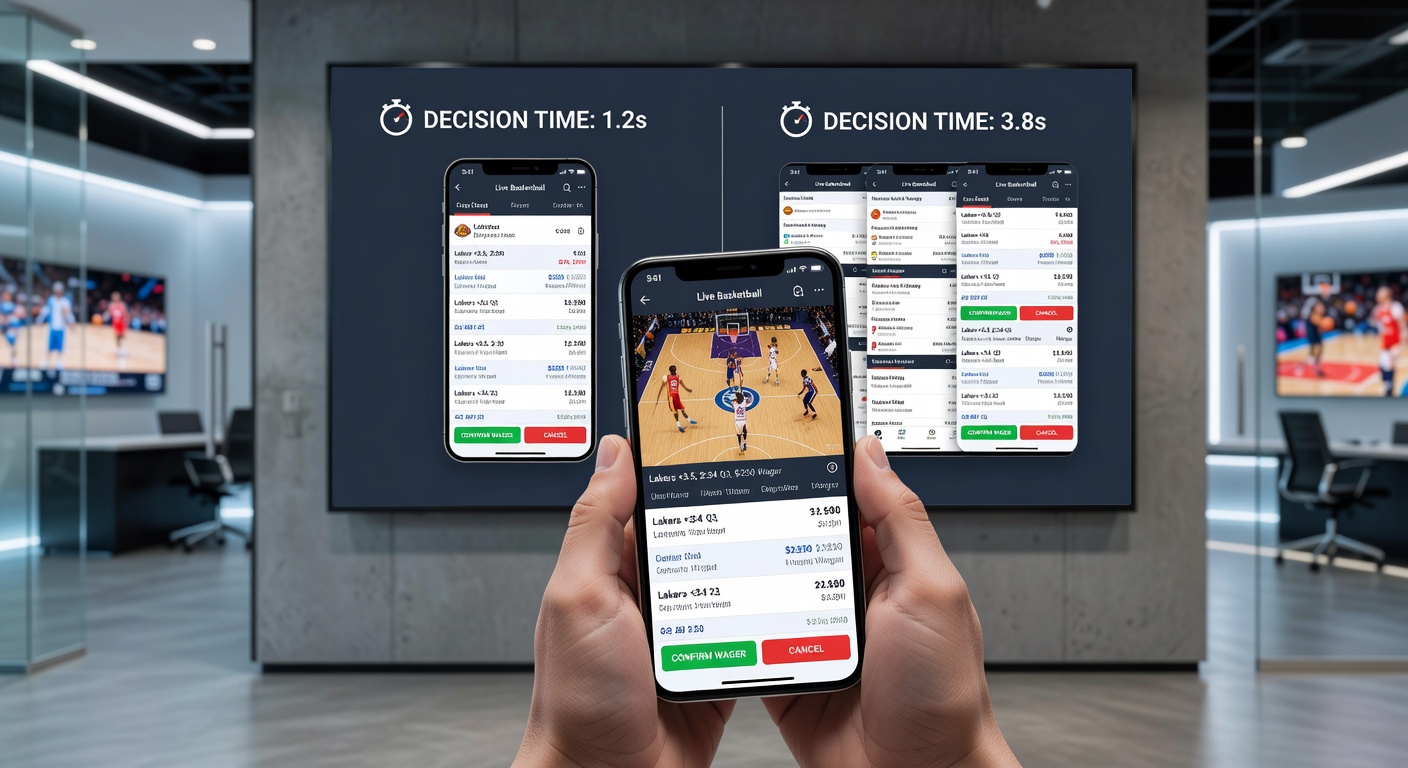
Navigation structures determine how fast users reach betting markets while a game clock ticks down. Single-tap menus that collapse prop bets and spread options into swipeable panels cut average selection time by measurable margins compared with multi-screen flows. Researchers at the University of Sydney documented this pattern in a controlled study of 1,200 participants who placed simulated wagers during recorded matches, and the results showed that streamlined menus reduced decision intervals from 8.4 seconds to 5.1 seconds on average.
Color coding and contrast levels further accelerate visual scanning. Bright accent buttons for live odds stand out against darker backgrounds, allowing bettors to locate favorable lines without prolonged searching. When interfaces use consistent iconography for over/under markets across quarters, users form recognition patterns that shorten processing cycles, and platform analytics confirm fewer abandoned carts when these elements remain uniform.
Information Density and Real-Time Data Presentation
Live basketball interfaces must balance comprehensive statistics with immediate readability. Scrollable stat bars that update player performance metrics in real time help bettors evaluate trends, yet excessive text blocks slow comprehension. Studies indicate that bullet-point summaries of team shooting percentages perform better than paragraph descriptions during high-pressure moments, because they allow parallel processing of multiple data points.
Dynamic score overlays that sync with game footage reduce the need to switch between video and betting screens. When platforms embed micro-animations that highlight shifting point spreads, decision makers register changes faster and execute wagers before lines move. In May 2026, several major operators reported a 12 percent lift in live bet volume after introducing these synchronized overlays across their basketball offerings.
Gesture Controls and Touch Target Optimization
Touch-target sizing directly affects error rates during fast-paced games. Buttons sized at least 48 pixels square minimize mis-taps that force users to backtrack, and platforms that enlarge confirmation dialogs for high-stakes wagers record fewer corrections. Gesture-based actions such as long-press to lock in a parlay allow experienced bettors to bypass confirmation steps, which shortens the overall cycle from intent to submission.
Platforms that incorporate haptic feedback for successful selections provide immediate confirmation without requiring visual attention to a success message. This sensory cue keeps eyes on the live game feed, and operators note that bettors using haptic-enabled apps complete wagers 1.8 seconds faster on average than those without the feature.
Studies Measuring Decision Speed Across Design Variants
A collaborative report issued by the Canadian Centre for Gaming Research examined three interface variants used by North American operators during the 2025-2026 season. Participants using minimalist designs with prominent live odds completed basketball wagers in 4.7 seconds on average, whereas those navigating denser layouts averaged 7.9 seconds. The study also tracked eye-movement patterns and found that reduced clutter lowered cognitive load, allowing quicker evaluation of multiple betting options simultaneously.
Another dataset released by the Nevada Gaming Control Board in spring 2026 tracked session durations on mobile apps and showed that interfaces employing predictive search bars for player props increased the number of in-game wagers per user by 18 percent. Bettors located specific markets faster and maintained engagement through later quarters when search functions anticipated common queries such as "three-point attempts" or "rebounds in the paint."
Notifications, Alerts, and Their Influence on Timing
Push notifications that flag line movements or injury updates can either accelerate or interrupt decision flows depending on delivery method. Non-intrusive banners that appear at the top of the active screen allow continued viewing of game action, while full-screen pop-ups force attention shifts that extend response times. Operators who limit notification frequency to critical events only report higher completion rates for live basketball bets.
Customizable alert settings let users select which markets trigger updates, and those who tailor notifications to specific quarters or players demonstrate faster reaction times in subsequent sessions. Platform logs indicate that personalized alert groups correlate with a 9 percent reduction in time between alert receipt and wager submission.
Conclusion
Mobile interface designs shape the pace at which bettors convert live basketball observations into wagers through navigation structures, visual hierarchy, touch optimization, and notification strategies. Research from academic and regulatory sources continues to quantify these effects, and operators apply the findings to refine layouts that support quicker, more accurate decisions during fast-moving games. As mobile betting volumes grow through 2026, the relationship between design choices and decision speed remains a central factor in platform performance.