Cross-Border Data Federation Protocols Coordinating Prize Structures Across Reel-Based and Athletic Prediction Platforms
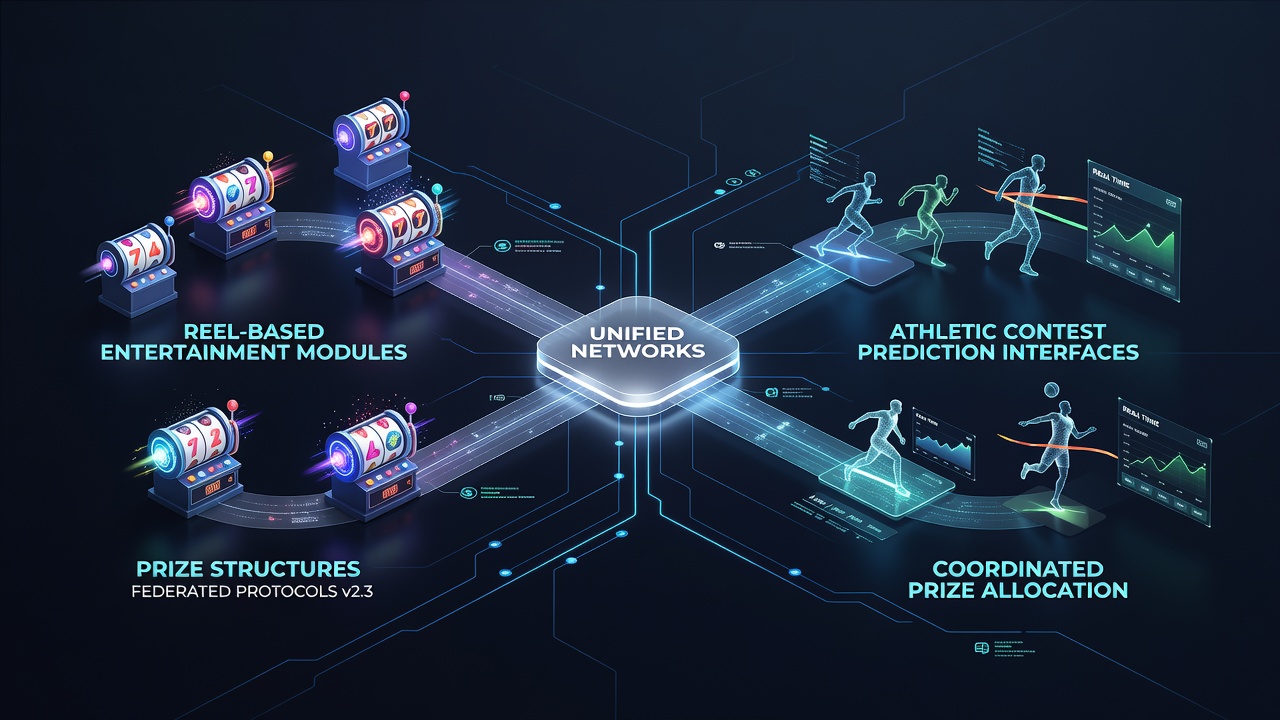
Cross-border data federation protocols enable coordinated prize structures by linking reel-based entertainment modules with athletic contest prediction interfaces on unified networks, and these systems rely on standardized data exchange formats that transmit real-time jackpot values and odds adjustments between jurisdictions. Operators in multiple regions deploy these protocols to synchronize progressive prize pools while maintaining compliance with local data residency rules, and the approach combines elements of distributed ledger technology with application programming interfaces that update prize allocations across slot machines and sports betting platforms simultaneously.
Technical Foundations of Federation Protocols
Protocol specifications define how data packets move between reel-based systems and prediction interfaces, incorporating encryption layers that protect player transaction records during cross-border transfers. Systems aggregate contribution rates from individual machines in one country with bet volumes from athletic events in another, then recalculate shared prize tiers through consensus algorithms that run on unified network nodes. Data federation here means each participating operator retains control over its local database yet contributes standardized fields such as wager amounts and trigger events to a common schema.
Engineers at several international gaming technology firms have documented the use of JSON-based message formats that carry prize metadata without exposing personal identifiers. These messages travel through secure channels that comply with varying privacy statutes, and synchronization occurs at intervals measured in milliseconds to keep displayed jackpot values consistent across regions. Observers note that the architecture prevents double-counting of contributions by assigning unique transaction identifiers that all nodes validate before updating the federated pool.
Integration Between Reel-Based Modules and Athletic Prediction Interfaces
Reel-based modules generate contributions to shared prizes through fixed percentages of each spin, while athletic contest prediction interfaces add to the same pool based on handle from live and pre-match wagers. Federation protocols map these disparate data streams into a single prize structure by applying conversion factors that account for currency differences and regulatory caps on maximum payouts. When a slot machine in one jurisdiction hits a qualifying combination, the protocol queries the unified network to confirm the current aggregated total and then disburses funds according to pre-agreed allocation tables.
Similarly, a successful accumulator bet on an athletic event triggers a check against the federated prize ledger to determine whether additional bonus layers activate. The system records each event in an immutable log that participating regulators can audit, and this process ensures prize coordination remains transparent even when operators sit in separate legal frameworks. Research indicates that such integration reduces discrepancies in displayed prize amounts that previously arose from asynchronous updates between independent platforms.

Regulatory Considerations Across Jurisdictions
July 2026 brought renewed attention to data sovereignty requirements as several Asian and European regulators updated guidelines on cross-border information flows in gaming environments. Protocols now incorporate geofencing parameters that restrict certain prize elements from jurisdictions where local statutes prohibit shared progressive structures, and operators must configure federation nodes to respect these boundaries in real time. Data from the Gambling Regulatory Authority of Singapore shows that licensed platforms reported measurable increases in coordinated prize activity after adopting updated federation standards earlier in the year.
Canadian provincial authorities have examined similar frameworks through pilot programs that link slot networks with sports prediction systems while keeping player data within national borders. These efforts rely on tokenization techniques that replace direct identifiers with reference keys, allowing prize calculations to proceed without transferring personal information across the federation layer. Figures released by the Alcohol and Gaming Commission of Ontario in mid-2026 documented steady growth in federated prize redemptions without corresponding rises in compliance incidents.
Operational Implementation and Network Performance
Network operators deploy edge computing nodes near major data centers to minimize latency during prize updates, and these nodes execute lightweight validation scripts before forwarding aggregated totals to the central federation ledger. Slot manufacturers embed protocol clients directly into machine firmware, enabling direct contribution reporting without intermediary servers, while sports betting platforms integrate equivalent clients into their live odds engines. Testing conducted by industry consortia in the first half of 2026 confirmed that the combined system maintains prize consistency even during peak event windows when athletic contest volumes spike.
Maintenance routines include periodic reconciliation checks that compare local contribution logs against federated records, and any mismatches trigger automated alerts to compliance teams. This approach has allowed operators to expand prize pools across additional territories without rebuilding existing infrastructure, and the modular design supports incremental addition of new game types as protocol extensions become available.
Conclusion
Cross-border data federation protocols continue to evolve as gaming networks expand their reach between reel-based modules and athletic prediction interfaces, and the underlying technical standards provide a framework for synchronized prize management that respects jurisdictional boundaries. Ongoing refinements in encryption, message formatting, and regulatory alignment support further deployment across additional markets while preserving the integrity of unified prize structures.