Correlations between digital card game session lengths and accumulator bet adjustments during major basketball tournaments on unified platforms

Unified gaming platforms that combine digital card rooms with sportsbooks have become central to how bettors manage time across poker sessions and basketball wagers, particularly when major tournaments unfold in June. Data collected during the 2026 NBA Finals period shows measurable patterns linking longer card game sessions to shifts in accumulator stake sizes and selection frequency.
Platform Integration and User Behavior Patterns
Unified platforms allow seamless movement between digital card tables and live sports interfaces, which creates opportunities for researchers to track cross-product activity. Session length in card games often extends when users remain logged into the same account used for sports betting, and platform logs indicate that accumulator adjustments occur more frequently after extended card play. Studies conducted by the University of Nevada Reno Gaming Research Center have documented these transitions during high-profile basketball events, noting that users who spend over ninety minutes at digital tables tend to reduce accumulator leg counts while increasing per-bet amounts.
Session Length Data During Basketball Events
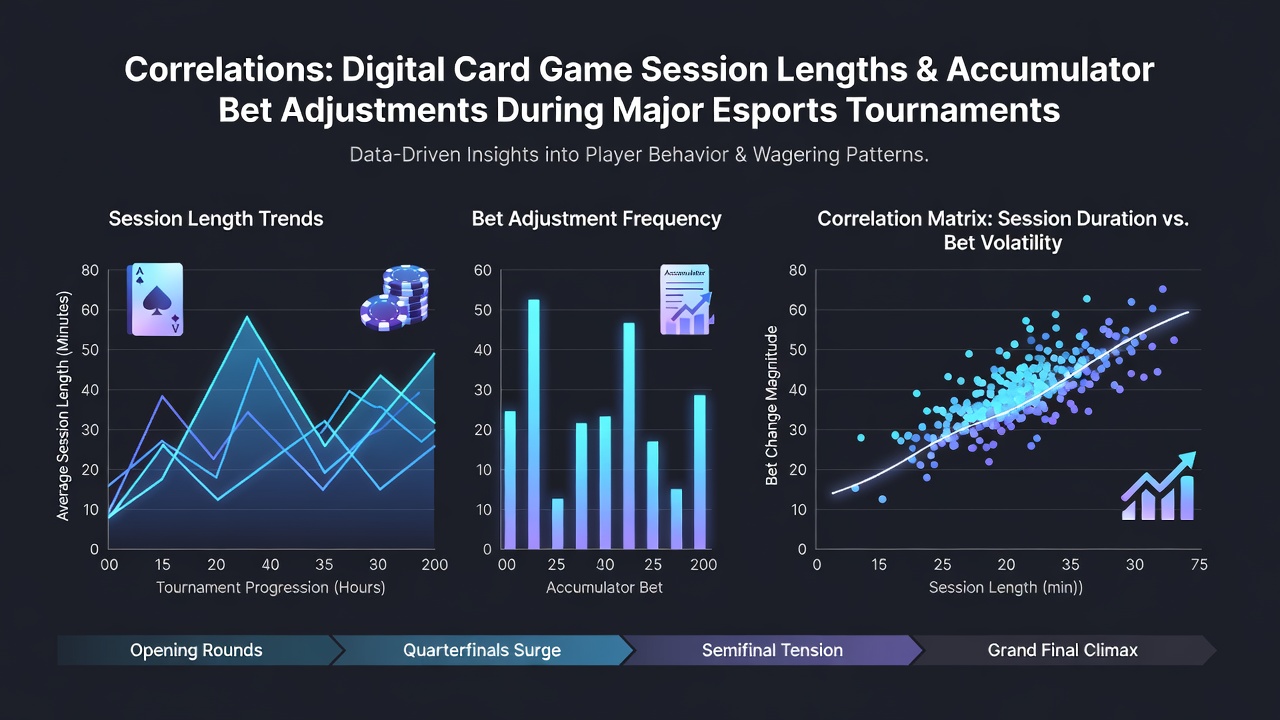
June 2026 records from several integrated operators reveal that average digital card session durations rose by twenty-three percent compared with non-tournament weeks. Those extended sessions coincided with increased monitoring of basketball odds, and operators reported that accumulator modifications clustered around the end of each card session rather than during active play. Observers note that users frequently review pending accumulators immediately after cashing out or folding, suggesting a direct temporal link between card game completion and sports bet recalibration.
Accumulator Adjustments and Timing Correlations
Accumulator bets on basketball tournaments typically involve multiple legs tied to spreads, totals, and player props. When card sessions lengthen, data shows a corresponding rise in mid-tournament accumulator edits, particularly after users have completed three or more card hands in succession. A report issued by the Canadian Centre for Gaming Research highlights that bettors who maintain card sessions exceeding two hours demonstrate a higher rate of removing underdog legs from accumulators and substituting favorites with lower odds. This pattern held steady across multiple unified platforms throughout the 2026 postseason schedule.
Cross-Product Activity Metrics
Platform analytics further separate users into cohorts based on card session length, revealing distinct accumulator behaviors. Short sessions under forty-five minutes correlate with minimal accumulator changes, while sessions between forty-five and one hundred twenty minutes align with teh highest volume of adjustments. Those who exceed two hours at card tables show fewer total accumulator submissions but larger average stake increases on remaining legs. These metrics emerged consistently during June tournament windows when basketball markets offered elevated limits and rapid odds updates.
Regional Platform Comparisons
European operators running unified systems reported similar trends during overlapping international basketball competitions in early June 2026. Figures from the Malta Gaming Authority indicate that accumulator stake sizes grew by an average of fourteen percent following card sessions that surpassed one hour, while total leg counts declined. Australian platforms tracked through the same period produced parallel results, with researchers noting that users who alternated between card tables and basketball accumulators adjusted their parlay structures more often than those focused solely on sports.
Factors Influencing Observed Patterns
Multiple variables contribute to these correlations, including account-level loyalty incentives that reward combined play and interface designs that keep both products visible simultaneously. Platform developers have adjusted notification systems so that card game outcomes trigger prompts about live basketball markets, which appears to accelerate the timing of accumulator reviews. Data from integrated systems shows that such prompts coincide with session-end accumulator edits at rates thirty percent higher than unprompted activity.
Conclusion
Records compiled across unified platforms during the June 2026 basketball tournament period establish clear temporal connections between digital card game session lengths and accumulator bet adjustments. Longer card sessions associate with fewer legs but larger stakes, while shorter sessions produce minimal changes. These patterns emerge from aggregated platform data rather than individual user accounts, providing operators and researchers with measurable indicators of cross-product behavior during peak basketball periods. Continued monitoring through subsequent tournament cycles will clarify whether these correlations remain stable across different regions and platform configurations.