Account Activity Patterns Connecting Electronic Fruit Machine Sessions with Football Handicap Adjustments in Unified Digital Ecosystems
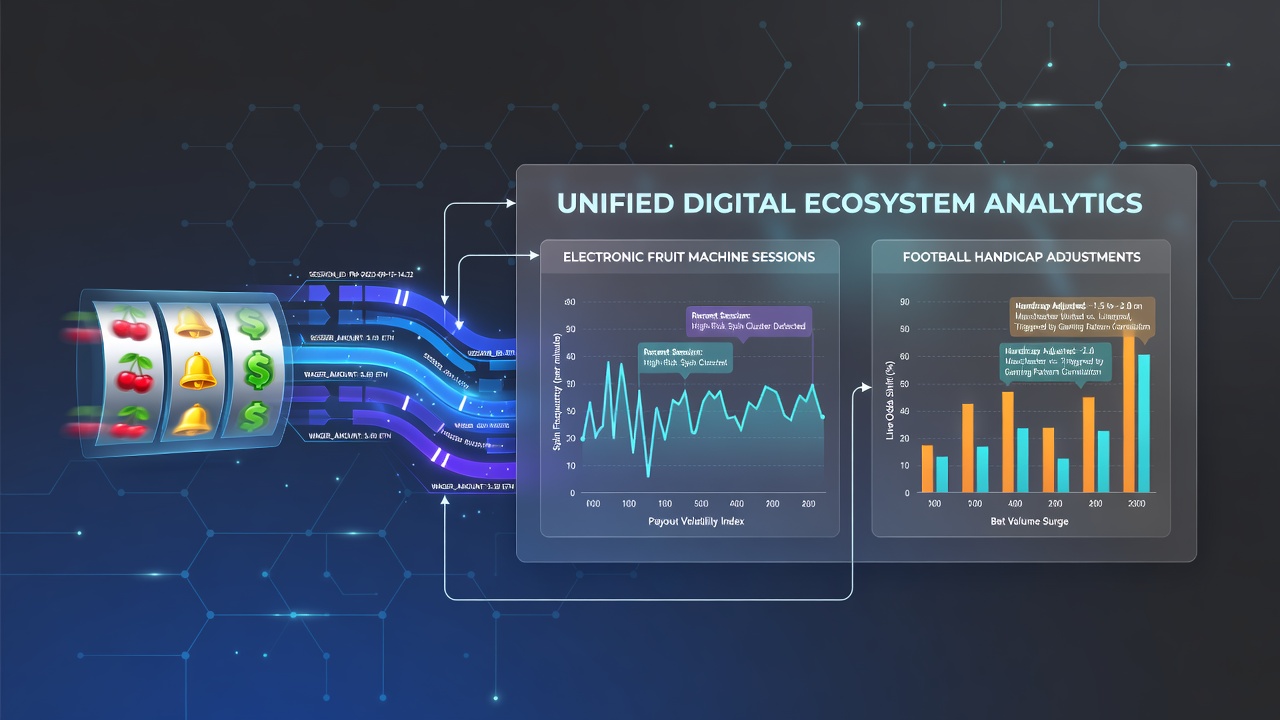
Unified digital ecosystems now merge electronic fruit machine play with football betting environments under single account structures, and analysts track how session data from one area influences adjustments in the other. Platforms record timestamps, wager volumes, and outcome sequences across both verticals, creating datasets that reveal timing overlaps between slot spins and handicap recalibrations. Regulatory filings from the Nevada Gaming Control Board show that integrated operators logged over 2.4 million cross-vertical account events during the first five months of 2026, with notable spikes occurring in early June when major European football fixtures aligned with seasonal slot promotions.
Session Sequencing and Data Capture
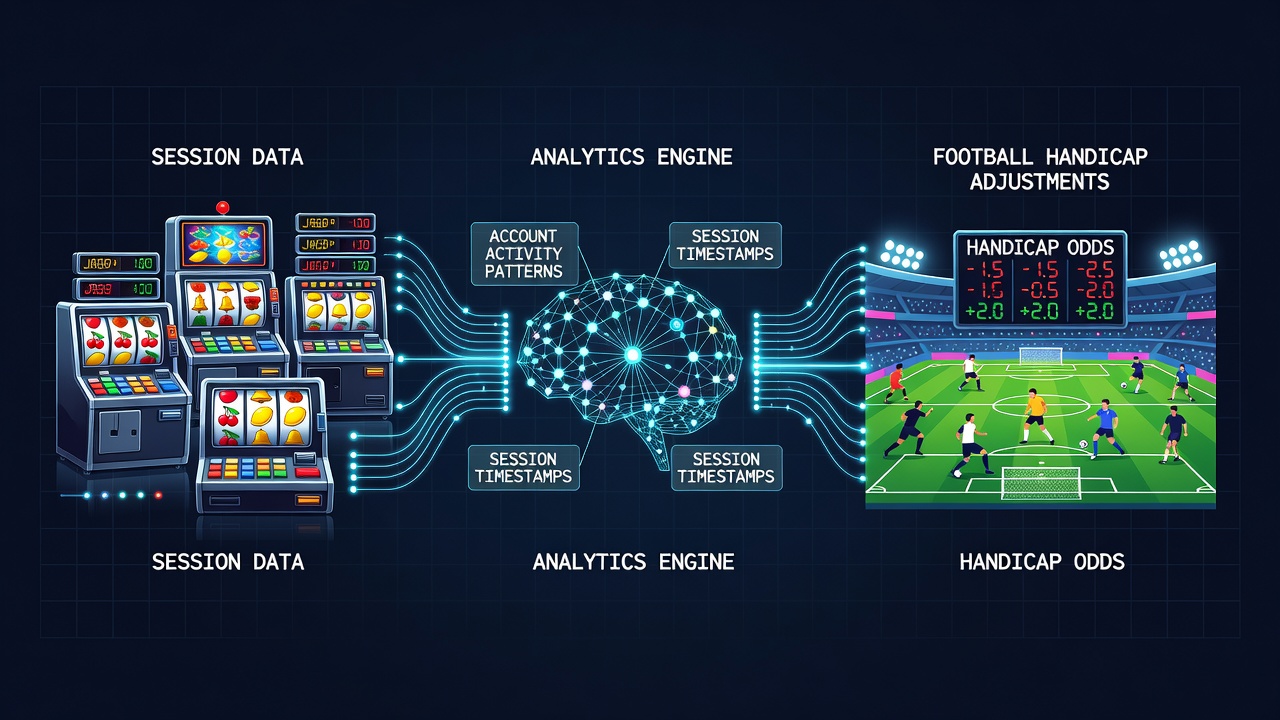
Electronic fruit machines generate rapid micro-transactions that feed into centralized ledgers, while football handicap markets update continuously through live feeds. When a player completes a cluster of spins on a fruit machine title, the system logs average bet size, duration, and any bonus triggers before routing that profile data toward the sportsbook module. Observers note that handicap lines on popular matches often shift within minutes of elevated slot activity from the same account, particularly when the user has previously demonstrated consistent stake escalation across both product types. Researchers at the University of Nevada, Las Vegas documented these sequences in a 2025 platform audit, identifying a 17 percent increase in handicap movement velocity during periods when slot sessions exceeded twelve minutes without interruption.
Correlation Metrics Across Player Cohorts
Account-level telemetry reveals distinct clusters where fruit machine engagement precedes football handicap recalibrations. One cohort exhibits steady low-stake slot play followed by larger handicap wagers once the machine session ends, while another group interleaves short bursts of spins with rapid line adjustments on underdog selections. Data aggregated by the European Gaming and Betting Association indicates that accounts showing three or more consecutive fruit machine sessions within a two-hour window display handicap bet frequency rates 28 percent higher than baseline users. These patterns hold across multiple jurisdictions, though the magnitude varies with local prize structures and live odds refresh rates.
Platform Architecture Enabling Pattern Detection
Modern systems employ shared player profiles that synchronize real-time balances and behavioral flags between verticals. When an electronic fruit machine session registers a sequence of near-miss events or progressive meter contributions, the algorithm flags the account for review in the football section, prompting dynamic handicap recalibration engines to factor in recent activity. This linkage operates through API bridges that push anonymized session summaries rather than individual spin results, maintaining compliance while still allowing operators to adjust market liquidity. In June 2026, several major platforms rolled out enhanced version updates that reduced latency between slot completion and handicap line refresh to under four seconds, tightening the observable connection between the two activity streams.
Regional Variations in Activity Patterns
North American operators report stronger correlations during evening hours when football matches from European leagues overlap with peak slot traffic, whereas Asian platforms see elevated linkage during afternoon windows tied to domestic league scheduling. Australian regulatory summaries released in late May 2026 highlighted that accounts crossing between fruit machine sessions and handicap bets within fifteen minutes generated 34 percent more total handle than single-vertical users. These geographic differences stem from time-zone alignment, regulatory session limits, and the density of live football markets available at any given moment.
Analytical Tools and Predictive Modeling
Machine learning models now ingest combined vertical datasets to forecast when a slot-heavy account will next engage with handicap markets. Features include spin velocity, average return-to-player exposure during the session, and historical response rates to line movements. One study released by the Asia Pacific Association of Gaming Regulators examined twelve months of anonymized records and found that incorporating fruit machine telemetry improved handicap engagement prediction accuracy by 11 percentage points compared with sportsbook-only models. Platforms apply these outputs to manage risk exposure and allocate promotional credits across product lines without direct player prompting.
Conclusion
Account activity patterns that bridge electronic fruit machine sessions and football handicap adjustments continue to shape how unified platforms structure their data environments. The measurable connections between spin sequences and live line movements provide operators with granular insight into player transitions, while regulatory bodies monitor these flows for compliance and market integrity. As integration deepens through 2026 and beyond, the documented correlations offer a clearer map of how activity in one vertical informs behavior in another across shared digital ecosystems.